Author: Mike

  • ✅ The Ultimate Checklist for Preparing Your Domain for Sale

    So, you’ve decided to sell your domain — great move! But before you list it on a marketplace and wait for offers, there’s some prep work to do. A little effort upfront can dramatically increase your chances of landing a sale (and a better price).

    Whether you’re selling a single name or a portfolio, this ultimate checklist will walk you through every step to get your domain ready for the market — clean, appealing, and sale-ready.


    🧹 Step 1: Clean Up Your Domain

    Just like a house before a showing, your domain should look its best. A clean domain history helps attract buyers and builds trust.

    Checklist:

    • ✅ Check your domain’s history on Archive.org. Remove or address any questionable past use (spam, adult, or banned content).
    • ✅ Scan for toxic backlinks using Ahrefs, SEMrush, or a free alternative like Ubersuggest.
    • ✅ Ensure the domain isn’t deindexed by Google (site:yourdomain.com).
    • ✅ Confirm there are no trademark issues with your domain name using USPTO.gov.

    💡 Tip: Domains with a clean record rank faster in search engines and attract more serious buyers.


    🔍 Step 2: Evaluate the Domain’s Value

    Pricing your domain correctly is one of the most important steps in the selling process.

    Checklist:

    • ✅ Use domain appraisal tools (GoDaddy, Estibot, or Nameworth) for a rough estimate.
    • ✅ Research comparable sales on NameBio.com.
    • ✅ Factor in keywords, length, extension (.com vs .io), and market demand.
    • ✅ Consider whether your domain has SEO value (backlinks, traffic, or age).

    📊 Example: If “SmartHealth.io” sold for $2,500, your “FitHealth.io” might be in a similar price range.


    🧾 Step 3: Verify Ownership and Transfer Readiness

    Buyers want smooth, fast transactions. Make sure your domain is unlocked and transferable before listing.

    Checklist:

    • ✅ Ensure your WHOIS details are accurate or privacy-protected.
    • ✅ Unlock the domain with your registrar.
    • ✅ Get your domain’s authorization (EPP) code ready.
    • ✅ Check your domain’s age — some registrars restrict transfers if the domain is less than 60 days old.

    ⚙️ Pro Tip: If you plan to sell through a marketplace, link your registrar account ahead of time to speed up the transfer process.


    🏷️ Step 4: Create a Strong Listing

    A great domain deserves a great presentation. Your listing should show why it’s valuable.

    Checklist:

    • ✅ Write a short, persuasive description (focus on use cases and brand potential).
    • ✅ Highlight its benefits — short, keyword-rich, or brandable.
    • ✅ Include traffic stats if available.
    • ✅ Add a clean, professional landing page that says “This domain is for sale.”

    Example listing:

    EcoHarvest.com – Perfect for sustainable brands, farms, or eco startups.
    Aged domain (registered 2015) with organic backlinks. Clean history and .com extension make it ideal for branding.


    💰 Step 5: Choose the Right Marketplace

    Not all marketplaces attract the same type of buyer. Choose one (or more) that fits your domain’s value.

    Checklist:

    • ✅ List on Dan.com for fast, no-hassle transactions.
    • ✅ Try Afternic for wide distribution through GoDaddy’s partner network.
    • ✅ Use Sedo for international exposure.
    • ✅ For premium names, try Flippa or BrandBucket.

    💼 If your domain is high-value ($5,000+), consider hiring a broker like MediaOptions or VPN.com for private, professional sales.


    🧠 Step 6: Set a Smart Pricing Strategy

    Different pricing methods work for different goals.

    Checklist:

    • Buy Now (Fixed Price): Best for attracting impulse buyers.
    • Make Offer: Ideal if you’re open to negotiation.
    • Auction: Great for generating buzz and competition.
    • ✅ Set a “floor price” (the lowest you’ll accept).

    💡 Avoid overpricing — buyers can easily compare listings. Start reasonable and leave room for negotiation.


    🧾 Step 7: Protect Yourself with Escrow

    Never skip this step — even for smaller sales. Escrow ensures both you and the buyer are protected.

    Checklist:

    • ✅ Always use a trusted escrow service (Escrow.com, Dan.com, Afternic).
    • ✅ Confirm funds are secured before transferring the domain.
    • ✅ Never accept direct PayPal or crypto payments from unknown buyers.
    • ✅ Keep transaction records for tax and security purposes.

    🧰 Step 8: Market Your Domain

    Even a great name needs visibility. Don’t rely on marketplaces alone.

    Checklist:

    • ✅ Share your listings on LinkedIn, X (Twitter), and domain forums.
    • ✅ Use a “For Sale” banner or landing page on the domain itself.
    • ✅ Reach out to potential end users directly (use Hunter.io to find company contacts).
    • ✅ Join domain investor groups for networking and buyer leads.

    🎯 Step 9: Follow Up and Stay Professional

    After listing your domain, be ready to respond quickly and professionally when buyers reach out.

    Checklist:

    • ✅ Reply to inquiries within 24 hours.
    • ✅ Be polite and confident — not pushy.
    • ✅ Be transparent about the sale process (escrow, transfer, timing).
    • ✅ Keep your domains organized in a spreadsheet or CRM.

    🏁 Final Thoughts

    Selling a domain isn’t just about posting a listing — it’s about presentation, trust, and preparation.
    By following this checklist, you’ll show buyers that your domain is legitimate, valuable, and easy to acquire.

    Whether you’re flipping for profit or offloading a name you no longer need, preparation is the difference between an average sale and a great one.


  • 🕶️ Selling Domains Anonymously: How to Protect Your Privacy and Still Cash In

    Selling domains can be profitable — but it can also attract unwanted attention. From spam emails to aggressive buyers and scammers, many domain investors and casual sellers prefer to stay anonymous when doing deals.

    The good news? You can sell your domain safely, privately, and profitably — without putting your personal information at risk.

    Here’s how to protect your identity while still cashing in on your domain sales.


    🔍 Why Sell Domains Anonymously?

    Domain transactions can reveal more than you might think. When you register a domain, your name, email, phone number, and even address can be exposed in WHOIS records — unless you’ve taken steps to hide them.

    Selling anonymously helps you:

    • Avoid spam and phishing attacks
    • Prevent direct buyer contact or lowball offers
    • Keep competitors from knowing your portfolio strategy
    • Protect your personal and financial details
    • Negotiate from a position of strength

    In short, anonymity adds a layer of protection and professionalism.


    🛡️ Step 1: Use WHOIS Privacy Protection

    The first and most important step is enabling WHOIS privacy on your domains.

    This service (offered by most registrars) replaces your personal contact details with proxy information in public records.

    ✅ Benefits:

    • Keeps your real name and email hidden
    • Reduces spam and unsolicited offers
    • Complies with ICANN rules for privacy

    🧰 How to Enable:

    Check with your registrar (like GoDaddy, Namecheap, or Google Domains). It’s often free or included by default.

    💡 Pro Tip: Double-check that privacy remains active even after transferring your domain — some registrars disable it during the move.


    🤝 Step 2: Use a Marketplace or Escrow Service

    When selling a domain, never exchange personal details directly if you want to stay anonymous.

    Instead, use trusted platforms that act as intermediaries:

    • Dan.com – Lets you list and sell domains with private WHOIS and masked contact details.
    • Afternic – Handles negotiation and payment securely.
    • Escrow.com – Safely holds funds until the transfer is confirmed.
    • Sedo – Offers anonymity for both buyers and sellers.

    These platforms handle payment processing and domain transfer — you get paid without revealing who you are.

    🔒 Using escrow also protects you from fraud, chargebacks, and fake buyers.


    ✉️ Step 3: Create a Dedicated Email Address

    Even if you sell independently, don’t use your personal or business email.
    Instead, create a dedicated address just for domain transactions (e.g., [email protected] or [email protected]).

    Why it matters:

    • Keeps spam out of your main inbox
    • Protects your primary identity
    • Makes your selling process look professional

    For extra privacy, use encrypted email providers like ProtonMail or Tutanota.


    🧾 Step 4: Use a Broker for High-Value Sales

    If you’re selling a premium domain (worth thousands or more), consider hiring a domain broker who can negotiate on your behalf.

    They keep your identity confidential while managing buyer communication and closing the deal.

    Recommended brokers:

    • MediaOptions (specializes in premium domains)
    • DomainBooth (handles high-end sales privately)
    • http://VPN.com Brokerage (known for private acquisitions and sales)

    Yes, brokers take a commission — but for high-value transactions, the peace of mind and discretion are worth it.


    💳 Step 5: Get Paid Securely

    When anonymity matters, don’t share your bank or PayPal details with unknown buyers.

    Instead, use payment processors built into domain marketplaces or escrow services. These handle the money transfer without exposing your account information.

    If you’re using crypto, consider setting up a wallet dedicated only to domain transactions — and never reuse it for personal finances.


    ⚠️ Step 6: Avoid Common Privacy Mistakes

    Even experienced sellers slip up. Avoid these privacy pitfalls:

    ❌ Mistake✅ Safer OptionListing domains with public WHOISEnable WHOIS privacyUsing personal emails or names in listingsUse an alias or business nameNegotiating directly via LinkedIn or forumsRoute all communication through platformsSharing screenshots with visible contact infoBlur or crop personal detailsUsing the same PayPal for all transactionsSeparate business and personal accounts


    🧠 Bonus Tip: Use a Domain Portfolio Alias

    If you manage multiple domains, consider selling under a portfolio brand (like BrightSkyDomains.com or PrimeWebNames.io).

    This keeps all your sales professional and organized — while keeping you behind the curtain.


    💬 Final Thoughts

    Selling domains anonymously isn’t about hiding — it’s about protecting your digital assets and your personal life.

    With WHOIS privacy, escrow services, and careful communication, you can sell confidently, get paid securely, and maintain total control over your identity.

    In today’s online world, privacy isn’t paranoia — it’s smart business.

  • 🌐 The Rise of Niche TLDs: Are .xyz and .club the Future of Domains?

    For years, the internet was ruled by the “big three” — .com, .net, and .org. But times are changing fast. New, niche top-level domains (TLDs) like .xyz, .club, .ai, and .io are reshaping how businesses and creators brand themselves online.

    If you’ve been wondering whether these trendy extensions are just hype or a genuine investment opportunity, you’re not alone. Let’s explore what’s driving the rise of niche TLDs — and whether they could be the future of domains.


    🚀 What Are Niche TLDs?

    A TLD (Top-Level Domain) is the part of a web address that comes after the dot — like .com, .net, or .org.
    Niche TLDs (also called new gTLDs) are alternatives that target specific industries, interests, or communities.

    Examples include:

    • .xyz – tech startups and Web3 projects
    • .club – online communities and memberships
    • .ai – artificial intelligence companies
    • .io – tech startups and software platforms
    • .store – eCommerce brands
    • .app – mobile and web applications

    These alternatives give website owners a chance to stand out — and often at a much lower cost than premium .com names.


    💡 Why Niche TLDs Are Gaining Traction

    1. The .com Shortage

    Let’s face it — all the good .com names are taken. Finding a short, brandable .com is like searching for buried treasure.
    Niche TLDs open new creative doors, allowing brands to craft unique and memorable identities.

    Example:

    • “join.club” or “launch.xyz” is far more distinctive than a long, hyphenated .com alternative.

    2. Big Brands Are Jumping In

    When major players adopt a new TLD, the market follows.

    • Alphabet, Google’s parent company, uses abc.xyz.
    • Mirror.xyz and ENS.domains became Web3 staples.
    • Fitness and fan communities thrive on .club and .community.

    These high-profile examples legitimize niche extensions and signal that the internet is moving beyond .com dominance.


    3. Affordable Investment Opportunities

    Premium .com domains can cost thousands (or even millions).
    Niche TLDs, on the other hand, are affordable entry points for domain investors and startups. You can register a strong keyword in a niche extension for under $20 — and if trends move your way, flip it for a solid profit.


    4. Perfect for Branding & Marketing

    Niche TLDs help create meaningful, memorable brands.
    They can double as clever wordplay or calls to action — think “go.run”, “design.studio”, or “connect.club.”

    A domain that fits your brand message instantly improves recall and makes your site stand out.


    ⚖️ The Downsides (and How to Avoid Them)

    Of course, niche TLDs aren’t perfect. Here’s what to watch out for:

    • Lower trust with some users: People still default to typing “.com.”
      → ✅ Solution: Use consistent branding and strong SEO to build authority.
    • Search engine misconceptions: Some believe Google favors .coms.
      → ✅ Fact: Google treats all TLDs equally in rankings — quality content and backlinks matter most.
    • Renewal costs: Some niche TLDs have higher renewal fees.
      → ✅ Tip: Check renewal pricing before investing or buying in bulk.

    🔮 Are .xyz and .club the Future?

    While .com will likely remain king for years, niche TLDs like .xyz, .club, .ai, and .io are becoming valuable real estate in their own right — especially in tech, Web3, and community-driven spaces.

    • .xyz is already the go-to for blockchain and AI startups.
    • .club continues to thrive among influencers, sports groups, and social creators.
    • .ai is booming thanks to the artificial intelligence wave.

    If trends continue, owning a strategic niche domain today could be like buying prime land before the city was built.


    🧭 How to Profit from Niche TLDs

    1. Research trends. Look for fast-growing industries (AI, wellness, Web3).
    2. Register short, keyword-rich names. Think “http://voice.ai ” or “travel.club.”
    3. Avoid trademark terms. Legal trouble kills value.
    4. List on marketplaces. Use http://Dan.com , Afternic, or Sedo.
    5. Hold strategically. Some names appreciate over time as the niche matures.

    🧩 Final Thoughts

    Niche TLDs aren’t replacing .com — they’re expanding the internet’s creative frontier.
    For entrepreneurs, startups, and domain investors, extensions like .xyz and .club represent both branding freedom and financial opportunity.

    The smartest move?
    Start exploring today. Find a niche TLD that fits your brand, your vision — and maybe even your next big flip.

  • 🚫 5 Mistakes to Avoid When Selling Your Domain

    Selling a domain can be one of the easiest ways to turn a digital asset into cash — but only if you do it right. Many sellers leave thousands of dollars on the table (or lose sales entirely) because of avoidable missteps.

    Whether you’re flipping domains as a side hustle or selling one for the first time, here are five common mistakes domain sellers make — and how to avoid them.


    ❌ Mistake #1: Setting the Wrong Price

    Pricing is one of the hardest parts of domain selling. Price too high, and buyers move on. Price too low, and you might regret it forever.

    💡 What to Do Instead:

    • Research comparable sales. Use NameBio.com or DNJournal.com to see what similar domains have sold for.
    • Use multiple valuation tools. Try GoDaddy’s or Estibot’s appraisal tools — they’re not perfect, but they’ll give you a ballpark range.
    • Understand your buyer. A corporate rebrand has a bigger budget than an indie blogger. Tailor your asking price accordingly.

    📊 Example: If “EcoInvest.com” sold for $10,000 and you own “EcoFunds.com,” don’t settle for $300 — but also don’t expect $50,000 overnight.


    ❌ Mistake #2: Ignoring Domain Quality Issues

    Not all domains are created equal. Even a great-sounding name can lose value if it has a bad history — like spammy backlinks, blacklisted content, or expired penalties.

    💡 What to Do Instead:

    Before you list your domain, check:

    • Past use: Visit Archive.org to see the site’s history.
    • Backlinks: Use Ahrefs or SEMrush to ensure there’s no SEO spam.
    • Blacklist status: Search your domain in Google — if it doesn’t appear, it might be penalized.

    🧹 Clean up what you can. A “fresh” domain with a solid reputation will always sell faster.


    ❌ Mistake #3: Skipping the Marketing

    Many sellers think, “I’ll just list my domain on a marketplace and wait.”
    That’s a mistake.

    Yes, marketplaces like Dan.com, Afternic, and Sedo help — but visibility is everything. If no one knows your domain exists, no one will buy it.

    💡 What to Do Instead:

    • Create a “For Sale” landing page on your domain (Dan.com and SquadHelp offer templates).
    • Promote it on social media — LinkedIn, Reddit’s r/Domains, and X (Twitter) have active investor communities.
    • Reach out to potential buyers directly.
      Use tools like Hunter.io to find email contacts for businesses that might benefit from your domain.

    📧 Example outreach message:

    “Hi [Name], I noticed your company operates in [industry]. I own [DomainName.com], which could be a strong match for your brand. Would you be open to discussing a possible acquisition?”


    ❌ Mistake #4: Skipping Secure Payments or Escrow

    You found a buyer — great! But before you celebrate, make sure you get paid safely.

    One of the biggest mistakes new sellers make is accepting risky payments through PayPal, Venmo, or crypto with no contract. That’s how scams happen.

    💡 What to Do Instead:

    Always use a trusted escrow service, such as:

    They hold the funds until the domain is successfully transferred — protecting both sides.

    ⚠️ Pro tip: Never transfer your domain before confirming escrow has the funds secured.


    ❌ Mistake #5: Letting Emotions Drive the Sale

    It’s easy to get attached to your domain — especially if you’ve owned it for years or built something on it. But emotional pricing can sabotage your success.

    💡 What to Do Instead:

    • Be objective. Use data (comparable sales, traffic stats, brandability).
    • Be open to negotiation. A lower offer today might be better than no sale for years.
    • Know your minimum. Decide your lowest acceptable price before negotiations begin.

    Remember: even experienced domain investors sell some domains below market to free up capital for better opportunities.


    ✅ Quick Recap: Avoid These 5 Mistakes

    MistakeWhat to Do Instead
    1. Setting the wrong priceResearch comps, use valuation tools
    2. Ignoring domain qualityCheck backlinks and history
    3. Skipping marketingUse landing pages and outreach
    4. Unsafe paymentsUse escrow or trusted marketplaces
    5. Emotional decisionsStay data-driven and realistic

    💬 Final Thoughts

    Selling a domain isn’t just about having a great name — it’s about strategy, research, and patience.
    Avoid these five pitfalls, and you’ll not only protect your profits but also build credibility as a serious domain seller.

    Every domain has a story. The key is pricing it right, promoting it smartly, and closing the deal safely.

  • How to Price Your Domain: A Beginner’s Guide to Domain Valuation

    So, you’ve got a great domain name — maybe it’s short, catchy, or tied to a trending topic — and you’re wondering, “How much could this actually be worth?”

    Welcome to the world of domain valuation, where understanding what drives a domain’s price can mean the difference between selling it for $50 or $5,000.

    Whether you’re a beginner or a curious domain investor, this guide breaks down how to accurately price your domain, avoid common mistakes, and position it for a profitable sale.


    🔍 1. Understand What Makes a Domain Valuable

    Not all domains are created equal. The value of a domain depends on a mix of market factors, buyer psychology, and data. Here are the most important ones:

    🧩 1. Length

    Short domains are almost always more valuable.
    They’re easier to remember, faster to type, and more brandable.
    A 3- or 4-letter .com can easily sell for thousands — or more.

    💡 Example:
    zap.com > zappystoreonline.com


    🌍 2. Extension (TLD)

    The .com extension is still the gold standard — it’s trusted, global, and holds the most resale value.
    That said, newer extensions like .io, .ai, and .co can sell well in tech, AI, and startup industries.

    💡 Example:
    drive.ai or flow.io might sell for $5,000–$50,000 depending on the brand appeal.


    🔑 3. Keywords and Industry Relevance

    Domains with high-value keywords — especially in industries like finance, AI, crypto, health, or real estate — attract serious buyers.

    💡 Example:
    SmartInvesting.com or AIDiagnostics.com will appeal to brands and startups in hot niches.

    Use tools like:


    🧠 4. Brandability

    Sometimes, a name doesn’t need a keyword at all — it just needs to sound great.
    Think Lyft, Stripe, or Zoom. Short, unique, and easy to pronounce domains are highly brandable.

    💡 Example:
    Nuvex.com, Blix.io, or Zentro.co — meaningless words, but perfect for a startup.


    🕓 5. Age and History

    Older domains tend to carry more trust, SEO value, and credibility.
    Check your domain’s age and past content with:

    But beware: a bad history (spam, adult content, penalties) can hurt value.


    📈 2. Research Comparable Domain Sales (“Comps”)

    Just like real estate, domain pricing relies heavily on comparable sales.

    Use these tools to check what similar names have sold for:

    💡 Example:
    If FintechLabs.com sold for $12,000, your similar FintechHub.com may be worth $8,000–$10,000.


    💬 3. Choose the Right Pricing Strategy

    Now that you have an estimated value, it’s time to decide how to list your domain.

    🏷 Buy-It-Now (BIN)

    Set one fixed price for instant purchase.
    ✅ Great for attracting impulse buyers
    ✅ Best on platforms like Dan.com, Afternic, or Sedo

    💡 Tip: Use psychological pricing — $1,999 feels better than $2,000.


    🤝 Make-Offer

    Let buyers submit offers first, then negotiate.
    ✅ Best when you’re unsure of demand
    ✅ Helps you gauge market interest

    💡 Tip: Set a “floor price” — the minimum you’ll accept.


    🔨 Auction

    Perfect for domains with multiple interested buyers or trending topics.
    ✅ Creates urgency and competition
    Platforms: GoDaddy Auctions, NameJet, Sedo


    💵 4. Use Data to Justify Your Price

    Buyers love proof. Strengthen your asking price with supporting facts:

    • Show search volume or keyword value
    • Highlight brand potential
    • Mention similar domains sold recently
    • Include traffic data (if any)

    💡 Example Listing:

    “Brandable 2-word .com in the fintech space — perfect for startups. Similar names sold for $10k+.”


    🔐 5. Protect Your Sale with Escrow

    When your buyer is ready, always use secure transaction services like:

    They hold the funds safely until the domain transfer is complete.
    ⚠️ Never accept PayPal “friends & family” or crypto payments from unknown buyers.


    🧾 Quick Domain Valuation Checklist

    FactorDescription✅ Evaluated
    LengthShort, memorable domain
    ExtensionStrong TLD (.com, .io, .ai)
    KeywordsHigh-demand or trending terms
    BrandabilityEasy to spell, say, and remember
    HistoryClean, trusted domain history
    Comparable SalesResearched similar domains
    Pricing StrategyBIN, Offer, or Auction decided
    SecurityUsing Escrow or Marketplace

    🎯 Final Thoughts

    Pricing your domain isn’t about guessing — it’s about understanding what buyers value most.
    If your domain is short, clean, and brandable, it has potential. Back your price with data, stay patient, and you could turn your digital property into real profit.

  • How to Spot a Domain Buyer: Insider Tips from Industry Experts

    How to Spot a Domain Buyer: Insider Tips from Industry Experts

    The domain name game isn’t just about buying low and selling high—it’s about timing, messaging, and spotting serious buyers before they vanish. Whether you’ve listed a domain for weeks with no bites or just received an inquiry that feels… suspicious, knowing how to identify real domain buyers is key to closing more deals and avoiding time-wasting tire kickers.

    We’ve gathered insights from seasoned domain investors to help you spot the real buyers, filter out the flakes, and boost your chances of making profitable sales.


    🔍 1. Serious Buyers Ask the Right Questions

    Real buyers don’t ask “Is this available?” and disappear.

    They typically ask:

    • “Is the domain still available?”
    • “What’s your bottom price?”
    • “How is the domain currently being used?”
    • “Can you transfer it to [specific registrar]?”

    Pro tip: The more specific and informed the questions, the more likely it’s a real buyer.


    📧 2. Their Email Address Tells a Story

    Many buyers reach out through marketplaces (like Dan, Sedo, or Afternic), but some will contact you directly.

    Here’s what to look for in their email:

    ⚠️ Red flag: Vague Gmail/Yahoo accounts with zero context like “How much?” or “Call me ASAP.”


    🏢 3. They Have a Matching Website or Project

    Do a quick background check:

    • Google their email, name, or business name
    • Visit any link they share—check if they already run a site in the same niche
    • Use tools like WHOIS Lookup to see if they own similar domains

    💡 Example: If they’re interested in GreenFleet.ai and they already run GreenFleetTech.com, they’re likely a legit buyer.


    💬 4. They Make an Initial Offer — or Ask for Pricing Range

    Real buyers understand that domains cost money. Even if they lowball you, they usually:

    • Offer a starting price
    • Ask what you’re expecting
    • Seem open to negotiation

    ⚠️ Watch out for: “How much is this domain worth?” without follow-up.

    ✅ A strong buyer might say:

    “We’re launching a product next quarter and think your domain fits. Can you let us know your asking price?”


    🔐 5. They’re Comfortable Using Escrow or Marketplaces

    One of the best ways to test a buyer’s legitimacy:
    Suggest an escrow service.

    Real buyers want safety and proof of transfer just as much as you do.

    🛡 Trusted services:

    🚩 Scammers often push for untraceable payment methods like:

    • PayPal friends & family
    • Direct wire transfer
    • Crypto with no terms

    🧠 6. They Know the Domain’s Value (or Want to Understand It)

    Experienced buyers may reference:

    • The keyword’s search volume
    • Past sales of similar domains (check NameBio.com)
    • The domain’s age, extension, or SEO value

    Even newbies who are serious will ask thoughtful questions to educate themselves. If someone pushes for a rock-bottom price without context, they’re likely not serious.


    🧭 7. They Move with Purpose

    Real buyers typically:

    • Respond within 24–48 hours
    • Push toward next steps (negotiation, payment method, transfer timelines)
    • Show urgency (especially for brand launches, rebrands, or ad campaigns)

    💡 If someone says “I’ll get back to you in a few months,” don’t hold your breath. Stay polite but don’t count on the sale.


    🚨 BONUS: Red Flags That Scream “Not a Buyer”

    • They ask you to appraise the domain using a random service
    • They say their “boss/investor/client” will pay later
    • They pressure you to use unfamiliar payment services
    • They ghost after asking for tons of details

    Trust your gut — if it feels off, it probably is.


    ✅ Checklist: How to Spot a Real Domain Buyer

    Indicator Legit Flake Uses a professional or matching business email ✅ ❌ Asks thoughtful, relevant questions ✅ ❌ Responds quickly and consistently ✅ ❌ Comfortable with escrow or marketplace ✅ ❌ Makes or negotiates a fair offer ✅ ❌ Pushes for vague payment or appraisal requests ❌ ✅


    Final Thoughts

    In domain investing, spotting real buyers is a skill that gets sharper with experience. Use these cues, ask the right questions, and protect your time—and your domains—from those who aren’t serious.

    The right buyer is out there. You just have to know how to recognize them when they come knocking.


    Want a free Buyer Vetting Checklist PDF or Google Sheet?
    Just let me know—I’ll generate one for you to use in every deal.

    Photo by Andrea Piacquadio
  • ⚖️ The Legal Side of Domain Selling: What You Need to Know Before You List

    ⚖️ The Legal Side of Domain Selling: What You Need to Know Before You List

    Buying and selling domains can be an exciting way to earn money online — but like any profitable venture, it comes with its legal considerations. Before you hit “list for sale,” it’s critical to understand the legal pitfalls, trademark traps, and best practices that could make or break your domain flip.

    Whether you’re a hobbyist, side hustler, or full-time domain investor, here’s what you need to know to stay compliant, avoid disputes, and protect your profits.


    💼 1. Do You Actually Own the Domain?

    Let’s start with the basics:
    When you register a domain, you’re leasing it, not owning it outright. The registrar (like GoDaddy or Namecheap) gives you exclusive use as long as you keep renewing it and follow their terms of service.

    🔐 Make sure:

    • You’re listed as the Registrant in WHOIS records
    • Your domain is unlocked and not in the middle of a transfer
    • You’ve disabled WHOIS privacy (optional, but helpful during a sale)

    Pro Tip: If the domain is registered under someone else’s name (a business partner, employee, or agency), transfer it to your name before listing.


    🚨 2. Trademark Trouble: Is Your Domain a Legal Risk?

    One of the biggest legal risks in domain sales is trademark infringement.
    If your domain contains a protected brand name (even partially), the rightful owner could file a UDRP (Uniform Domain-Name Dispute-Resolution Policy) complaint and take it from you — without paying a dime.

    🔍 Watch out for domains that include:

    Use the USPTO Trademark Search or WIPO Global Brand Database to check if a term is protected.

    Bad faith domain registration (buying a domain to profit off someone else’s brand) can lead to lawsuits or forced transfers.


    📝 3. Create a Clear Listing — Avoid Misrepresentation

    When selling a domain, your listing should be truthful and transparent. Avoid making misleading claims like:

    • “This domain gets 10,000 visits/month” (without proof)
    • “Trademark-safe” (unless you’ve verified it)
    • “Perfect for [specific company]” (implies affiliation)

    If you’re using a marketplace like Dan, Afternic, or Sedo, follow their listing guidelines and disclose any issues — like prior bans, adult content history, or legal disputes.


    🔐 4. Use Secure Payment and Escrow Services

    Domain transactions involve digital assets — and scams are common. Protect yourself by using trusted escrow services that hold the buyer’s funds until the domain is transferred:

    Recommended platforms:

    • Escrow.com – Industry standard for larger transactions
    • Dan.com – Integrated marketplace with automated transfers
    • Afternic & GoDaddy – Built-in escrow if using their platform

    ⚠️ Never accept PayPal or wire transfers directly from unknown buyers for high-value domains. These can be reversed or disputed.


    🤝 5. Understand Domain Sale Contracts (Optional but Smart)

    For high-value domains, it’s smart to draft a domain sale agreement. This protects both parties and defines terms like:

    • Domain name and exact spelling
    • Sale price
    • Timeline for payment and transfer
    • Warranties (e.g. “Seller affirms full ownership”)
    • Dispute resolution methods

    You can find templates online or work with an internet-savvy attorney.


    🛡 6. Privacy, GDPR, and Data Sharing

    If you’re collecting buyer info or running a landing page on your domain, make sure you comply with data protection laws like GDPR or CCPA.

    Basic best practices:

    • Don’t collect personal data without a clear purpose
    • Use secure contact forms
    • Include a privacy policy if collecting leads

    If you’re just parking or redirecting the domain, you’re typically fine — but err on the side of privacy.


    🔄 7. Be Aware of Transfer Rules and Holds

    Some domains are subject to transfer locks:

    • New registrations can’t be transferred for 60 days
    • Domains in dispute may be on hold by the registrar
    • Some country-specific domains (.ca, .uk, .de) have extra steps or legal requirements

    Check your registrar’s support docs or reach out to confirm any limits.


    💬 8. Consider a Broker for High-Stakes Sales

    If your domain could sell for five or six figures, consider working with a domain broker. They can:

    • Vet buyers
    • Handle negotiations
    • Manage contracts and transfers

    Just make sure the broker is reputable and doesn’t charge upfront fees.


    ✅ Summary: Legal Checklist Before You List

    Here’s a final legal readiness checklist:

    ✅ Task ✔️ Completed Confirm you’re listed as the registrant Check for trademark conflicts Create an honest, non-misleading listing Choose a secure payment method (http://Escrow.com , http://Dan.com ) Optional: Prepare a domain sale agreement Check if your domain is locked or ineligible for transfer Follow privacy/data rules if collecting info


    Final Thoughts

    Selling a domain is more than just setting a price — it’s a legal transaction that carries real risk if done improperly. By staying informed, you can sell safely, protect your assets, and build a long-term, trustworthy presence in the domain investing world.


    Want a free Domain Sale Legal Checklist PDF?
    Let me know — I’ll send you a downloadable version to keep handy before every sale!

    Image by Sang Hyun Cho from Pixabay
  • Why Short Domains Are the Holy Grail of the Internet – And How to Sell Yours

    Why Short Domains Are the Holy Grail of the Internet – And How to Sell Yours

    In the world of domain investing, three things matter most: length, memorability, and scarcity. And when it comes to those metrics, short domains reign supreme.

    Whether it’s a snappy 3-letter .com or a sleek one-word brand name, short domains are digital real estate gold. They’re the billboards of the internet, the beachfront property of cyberspace — and if you own one, you might be sitting on a six-figure asset without realizing it.

    In this guide, we’ll unpack:

    • Why short domains are so valuable
    • What types of short domains are most in demand
    • And how to sell yours strategically for top dollar

    🚀 Why Short Domains Are So Valuable

    Short domains are more than just easy to remember — they’re powerful, rare, and packed with branding potential. Here’s why they stand out:

    1. Scarcity

    There are only:

    • 17,576 possible 3-letter .com domains (AAA-ZZZ)
    • 456,976 possible 4-letter .com domains

    And guess what? Nearly all are already registered. That scarcity drives value — especially for premium letter combinations or pronounceable patterns.

    2. Memorability

    In a world of shrinking attention spans, short wins. A domain like Zap.io or MLT.com is far easier to remember, type, and share than a long, hyphenated alternative.

    3. Brandability

    Short domains evoke strength and modernity. Think of:

    They give startups and brands a head start with instant credibility.

    4. Global Appeal

    Short domains transcend language. They work just as well in English-speaking markets as they do globally, especially for brands going international.


    🔥 What Makes a Short Domain Valuable?

    Not all short domains are created equal. These features increase a domain’s value:

    .com extension
    Real words or acronyms (e.g., “Jet”, “VRX”, “CPA”)
    Pronounceability (can be said out loud easily)
    No numbers or hyphens
    Meaningful in niche industries (finance, AI, crypto, health)
    Clean backlink and ownership history


    💰 Real-World Examples of Short Domain Sales

    Domain Sale Price Notes http://AI.com $11 million (2023) Two-letter powerhouse tied to trending tech http://FB.com $8.5 million Bought by Facebook for internal use http://Ice.com $3.5 million Short, brandable, one-word http://NFT.com $2 million Trending category (crypto, collectibles)

    Even obscure acronyms can sell for $10k–$100k+ if they’re short and clean.


    🛠 How to Sell Your Short Domain Like a Pro

    If you’re lucky enough to own a short, brandable domain — here’s how to turn that asset into serious cash:

    1. Research Recent Sales

    Check marketplaces like:

    Compare your domain to similar sales to get a ballpark value.

    2. List on Premium Marketplaces

    High-value short domains deserve premium exposure:

    • Sedo.com – Great for international buyers
    • Afternic – Wide syndication network
    • Dan.com – Clean UI, trusted platform
    • SquadHelp – Good for brandable names

    Consider listing with a Buy Now price and Make Offer option.

    3. Create a Landing Page

    Direct the domain to a branded landing page with:

    • A short description (“This premium 3-letter domain is now available”)
    • Your asking price or a form to submit an offer
    • Contact email or integration with Dan.com/Payoneer Escrow

    4. Outbound to Potential Buyers

    Use tools like http://Hunter.io or LinkedIn to identify companies using similar acronyms, or operating in your domain’s niche.

    Send polite outreach emails like:

    “Hi [Name], I noticed your brand aligns well with a short premium domain I own: XYZ.com. It’s currently available for acquisition — would you be open to discussing?”

    5. Protect the Deal

    Always use a secure transaction platform like:


    🧠 Final Thoughts

    Short domains are truly the holy grail of the internet. They’re rare, valuable, and timeless — and in an increasingly crowded digital world, they only get more desirable.

    If you’re holding onto a 2-4 character domain or a strong one-word brand, don’t settle for pennies. With the right positioning, outreach, and timing, you could flip it for a life-changing profit.


    Want help evaluating your short domain?
    Drop the name here and I’ll give you a quick, no-obligation value assessment. Or ask for a downloadable checklist to prep your listing like a pro!

    Image by James Chan from Pixabay
  • Expired Domains: How to Snag a Bargain and Turn It Into Profit

    Expired Domains: How to Snag a Bargain and Turn It Into Profit

    Every day, thousands of domain names expire — and with them, countless overlooked opportunities. For savvy domain investors, expired domains are a goldmine waiting to be tapped. They can come with SEO value, traffic, brandability, and even past business reputations.

    If you’re ready to turn domain dumpster diving into a profitable strategy, here’s your guide to finding the hidden gems among expired domains and flipping them for real profit.


    💡 What Are Expired Domains?

    An expired domain is a domain name that hasn’t been renewed by its owner after the registration period ends. Once a grace period passes, the registrar releases the domain for public purchase.

    Some expired domains were once active websites with backlinks, authority, and traffic. Others are brandable names that someone simply forgot to renew.

    And that’s where you come in.


    🔥 Why Expired Domains Are Valuable

    Not all expired domains are worth flipping — but the right one can give you an edge over freshly registered names.

    Here’s why:

    • Age & History: Older domains can rank faster in Google
    • Backlinks: Some expired domains still have SEO juice
    • Traffic: Redirects can capture old visitors
    • Brandability: Many are short, catchy, and marketable
    • Scarcity: Once it’s gone again, it could be gone for good

    🛠 Where to Find Expired Domains

    1. http://ExpiredDomains.net

    The #1 free tool to search recently expired, deleted, or expiring soon domains. Filter by keyword, TLD, backlinks, domain age, and more.

    2. GoDaddy Auctions

    A massive platform for expiring domains from current GoDaddy users. You’ll find high-quality .coms, but you’ll need an active membership to bid.

    3. NameJet & SnapNames

    Both focus on backordering and auctioning high-value expiring domains from various registrars.

    4. Dynadot Auctions

    Great for finding aged .coms and short domains. Also offers hidden gems at low prices.

    5. DropCatch

    Specializes in catching domains the instant they drop. Fast and competitive for high-demand names.


    ✅ How to Spot a Profitable Expired Domain

    Use this quick checklist:

    • 🔎 Short and easy to spell
    • 🔑 Includes high-demand keywords (AI, health, finance, etc.)
    • 🌐 .com, .io, or other strong extensions
    • 🔗 Good backlink profile (use Ahrefs, Moz, or free tools like http://Web.archive.org )
    • 📈 Still indexed by Google (search site:domain.com)
    • 💬 Has branding or resale potential

    🚫 Avoid domains with spammy backlinks, adult content history, or legal/trademark risk.


    💸 Turning Your Expired Domain Into Profit

    Once you grab a solid expired domain, you’ve got options:

    1. Flip It Fast

    List it on marketplaces like:

    Use a descriptive, benefit-driven listing that shows its value.

    2. Build a Mini-Site or Landing Page

    Use the domain to host a simple page or lead magnet. You can generate passive income or build SEO authority before selling.

    3. Redirect It

    If the domain has backlinks and traffic, redirect it to a related product, affiliate offer, or your main site for instant SEO benefits.

    4. Hold It (HODL strategy)

    If it’s highly brandable or tied to a growing trend (like AI, Web3, or wellness), hold it and wait. Good domains often appreciate with time.


    🧠 Real-World Example

    In 2024, a domain investor snagged SolarDrip.com from http://ExpiredDomains.net for $14. It had backlinks from green energy blogs and a decent name.

    Six months later, it sold for $1,100 to a startup building solar-powered irrigation systems. Why? Because the right buyer saw the value and potential of the name.


    ⚠️ Bonus Tips for Success

    • 🕐 Check drop times — most domains drop around 2pm UTC
    • 📧 Reach out to potential buyers directly via LinkedIn or email
    • 🛡 Always verify the domain’s history with tools like Archive.org
    • 🛠 Use WHOIS tools to see if the domain was tied to a legit project
    • 🚀 Track trends on Google Trends, Product Hunt, and X (Twitter)

    Final Thoughts

    Snagging expired domains isn’t just about being early — it’s about being smart. With a little research and the right tools, you can turn a forgotten domain into a valuable asset or quick flip.

    The digital graveyard is full of opportunity. All you have to do is start digging.


    Want a checklist or free expired domain scouting template?
    Let me know — I’ll put one together for you!

    Image by Mediamodifier from Pixabay
  • How to Write a Killer Domain Listing That Sells Fast

    How to Write a Killer Domain Listing That Sells Fast

    You’ve got a great domain name. Now what?

    If your domain is just sitting on a marketplace with a vague description and no context, you’re leaving money—and opportunity—on the table. A killer domain listing can be the difference between a fast sale and months (or years) of silence.

    In this post, we’ll break down exactly how to write a domain listing that grabs attention, builds value, and sells faster.


    🧠 First: Know Your Buyer

    Before you write anything, ask yourself:

    • Who would benefit from this domain?
    • What kind of business or startup could use it?
    • What emotions or outcomes does it evoke?

    Great listings speak to a specific type of buyer. The more you tailor the message, the faster it resonates.


    ✍️ 1. Start with a Compelling Headline

    Your domain name is the star of the show—but your listing title should do more than just repeat it.

    Bad: EcoFleet.com – Domain for Sale
    Better: EcoFleet.com – Perfect for Green Logistics or FleetTech Startup

    Your headline should:

    • Reinforce who it’s for
    • Suggest the use case
    • Highlight the brand potential

    💬 2. Write a Value-Focused Description

    Your domain listing description should answer the buyer’s unspoken questions:

    • Why is this domain valuable?
    • What makes it brandable?
    • What kind of project is it ideal for?

    Include things like:

    • Short, memorable, and easy to spell
    • Contains popular keywords (SEO advantage)
    • Ideal for a [type of business]
    • Premium TLD (.com, .ai, etc.)

    Example:

    http://EcoFleet.com is a powerful, brandable domain perfect for a clean energy, EV fleet, or green logistics company. Short, memorable, and keyword-rich, it’s ideal for startups looking to establish trust in the eco-transportation space.


    🎯 3. Use Strategic Keywords

    Search visibility matters, even in domain marketplaces. Include keywords that buyers might search for, such as:

    • Industry tags (AI, finance, crypto, wellness)
    • Descriptors (brandable, premium, aged domain)
    • Function (eCommerce, SaaS, app name)

    Example tags: brandable, green tech, EV, startup domain, eco logistics


    📷 4. Add Visuals (If Possible)

    Some marketplaces like http://Dan.com or Efty allow you to include a logo or sample branding. This is huge for emotional impact.

    Even a simple placeholder logo can help buyers visualize the domain as a real brand. If you don’t have design skills, use tools like:


    💰 5. Price with Purpose

    Whether you set a “Buy Now” price or allow offers, make sure the number makes sense for the market and domain quality.

    • Avoid pricing too low for strong .coms (you’ll attract lowballers)
    • For highly brandable names, consider 4-figure to low 5-figure range
    • Use a “Make Offer” option to start a conversation

    If you’re unsure, look at recent sales on sites like NameBio.com or DNJournal for similar names.


    🚀 6. End with a Call to Action

    Don’t just post and pray. Guide the buyer.

    Examples:

    • “Inquire today before it’s gone.”
    • “This domain is available for immediate transfer.”
    • “Secure this powerful brand now — perfect for your next big idea.”

    ✅ Killer Domain Listing Checklist

    Before you hit publish, make sure your listing:

    • Has a clear, targeted headline
    • Speaks to a specific buyer or industry
    • Highlights the domain’s value points
    • Includes relevant keywords/tags
    • Has visual branding (if available)
    • Includes smart pricing strategy
    • Ends with a strong call to action

    Final Thoughts

    Your domain name might be gold — but if no one knows why it’s valuable, it won’t sell. A killer listing isn’t just about what you’re selling — it’s about how you frame it.

    Put yourself in the buyer’s shoes. Tell the story. Paint the vision. Make them feel like owning this domain is the first step in launching something big.

    Image by StartupStockPhotos from Pixabay
  • Hot Domain Trends to Watch in 2025: AI, Crypto, and Beyond

    Hot Domain Trends to Watch in 2025: AI, Crypto, and Beyond

    The domain market never sleeps — and in 2025, it’s more alive (and competitive) than ever. Whether you’re a domain investor, brand builder, or just curious about digital real estate, understanding the hot trends can help you spot the next big opportunity.

    Let’s break down the top domain trends shaping the landscape in 2025 — and where the smart money is heading.


    🔮 1. AI-Driven Domains

    Why it’s hot:
    Artificial Intelligence continues to dominate the global conversation. From personal assistants to generative content, AI is baked into everything. Startups, tools, and platforms need strong, brandable domains that say: we’re the future.

    What to watch:

    Pro tip: Even .coms with AI in the name (like TryAI.com) are being snatched up fast. Look for short, action-based names.


    🪙 2. Blockchain & Crypto 2.0

    Why it’s hot:
    Crypto winter thawed, and 2025 is seeing a resurgence in blockchain applications: DeFi, smart contracts, NFTs (again), and tokenized everything.

    What to watch:

    • Short crypto, chain, token, and wallet domains
    • Trendy TLDs like .xyz, .eth, and .crypto
    • Brandable DeFi names: YieldNest.com, TokenVault.xyz, MetaWallet.io

    Pro tip: Domains that imply security, speed, or finance (e.g. http://SafeCoin.io ) are in high demand.


    🌐 3. One-Word .coms Still Rule

    Why it’s hot:
    Timeless, powerful, and rare — one-word .coms are the blue-chip assets of the domain world. In 2025, demand is higher than ever, especially from Web3 and AI startups who want strong, global branding.

    What to watch:

    • Single, brandable English words
    • Words with metaphorical strength: Orbit, Anchor, Pulse, Forge
    • Premium resales happening in stealth deals

    Pro tip: Can’t afford a one-word .com? Look for strong two-word combos with high brand potential (e.g. LaunchMode.com, http://BrightNest.com ).


    🏥 4. Health & Wellness Rebrands

    Why it’s hot:
    Post-pandemic priorities remain, and consumers are spending more on physical and mental health. This has fueled a wave of wellness startups, alternative medicine platforms, and telehealth services — all needing the right domains.

    What to watch:

    • Keywords: mind, heal, calm, gut, thrive, vital
    • Trendy extensions: .health, .fit, .care
    • Brandable wellness names: ZenThrive.com, MoodLoop.io, MyVitalist.health

    Pro tip: Emotional, soothing, or transformative names tend to outperform cold or clinical ones.


    🛒 5. E-commerce Niches Go Global

    Why it’s hot:
    DTC (direct-to-consumer) brands continue to scale worldwide, and niche e-commerce domains are essential. Dropshippers, course sellers, and physical product brands want memorable, SEO-friendly names.

    What to watch:

    Pro tip: Think like a brand strategist. Names that sound like something you’d see on a Shopify store are in high demand.


    🧠 6. EduTech and Learning Platforms

    Why it’s hot:
    Microlearning, AI tutors, and skill platforms are surging in 2025. As education continues to decentralize, domains that speak to learning, mastery, and growth are being snapped up.

    What to watch:

    Pro tip: Blend edtech utility with brandability — the sweet spot between functional and catchy.


    🧠 Bonus Trend: “Starter” Domains for Side Hustlers

    Side hustlers, indie hackers, and creators want affordable, available names they can launch this weekend. That means brandable two-word .coms, catchy .co domains, and niches like:

    • Productivity tools
    • Digital products
    • Creator monetization

    Watch for: “tool-sounding” names like NoteLaunch.com, http://PlanFlow.co , ZapWrite.com


    Final Thoughts

    Domain trends in 2025 are being shaped by technology, emotion, and branding strategy. Buyers are savvier, competition is stronger, and the window to snag valuable names is always moving.

    If you’re investing or launching a project, follow the signals — but stay creative. The perfect domain often blends trend awareness with timeless branding.

    Image by MichaelWuensch from Pixabay
  • From Side Hustle to Full-Time Gig: How Domain Selling Changed My Life

    From Side Hustle to Full-Time Gig: How Domain Selling Changed My Life

    I never planned to become a full-time domain investor.

    In fact, when I bought my first domain, I had no idea what I was doing. It was 2018. I was freelancing, barely making rent, and curious about all these stories I kept hearing—people flipping domains and making thousands. It sounded like a scam… or at best, wishful thinking.

    Turns out, it was real.

    Fast forward to today, and domain flipping isn’t just a side hustle anymore — it’s my full-time job. And I’ve never looked back.

    Let me tell you how it happened.


    How It All Started

    Like many of us, I was looking for a way to make some extra money without taking on another job. I came across a Reddit post about someone flipping a domain they bought for $10 — and selling it for $800 just a few months later.

    That sparked something.

    I did some research, watched YouTube tutorials, lurked on NamePros forums, and bought my first domain: SmartPetDevices.com — for $12.99.

    Spoiler alert: it didn’t sell. But it taught me my first lesson — buying a domain isn’t the same as buying a winner.


    Learning the Game

    Instead of quitting, I doubled down. I studied:

    • What kinds of domains sell
    • Which keywords attract buyers
    • How marketplaces like http://Dan.com and Sedo work
    • Trends in tech, startups, and consumer behavior

    I stopped buying random names and started buying smart names. Brandable. Search-friendly. Easy to say. I found expired domains with traffic. I learned how to price them.

    And finally, I sold one.

    EcoFence.com** — bought for $28, sold for $450.**
    Not life-changing, but it proved the concept.


    The First Big Win

    My first major flip came in 2020:
    CareBot.ai — registered for $39, sold six months later for $2,200 to a health tech startup.

    That moment changed everything. I realized that domain flipping wasn’t just about luck — it was about strategy. Research. Patience. Positioning.

    I kept going.


    Turning Point: Part-Time to Full-Time

    By 2022, I had flipped over 40 domains and built a small portfolio of 150 names. I was making more from domains than from my freelance work. It was still risky, but I saw a pattern:

    • Some domains sell fast, some take months — or years
    • The key is volume, patience, and quality
    • Buyers will pay big when the name is perfect for their brand

    I leaned in. I automated renewals, set up landing pages, and joined marketplaces like Afternic and Squadhelp. Eventually, I quit freelancing completely.


    What a Day Looks Like Now

    People imagine domain flippers sitting on piles of cash doing nothing. In reality, I treat it like a real business. My day includes:

    • Scouting new domain trends
    • Monitoring auctions and expired names
    • Responding to buyer inquiries
    • Negotiating prices
    • Researching buyer personas
    • Reinvesting profits wisely

    It’s work — but it’s work I choose. And it scales.


    What I’ve Learned (So You Don’t Have To)

    Here are a few takeaways from my journey:

    • Start small — Don’t spend hundreds on domains until you understand the market
    • Quality > Quantity — 10 great names are better than 100 junk names
    • Brandability matters — Think like a startup
    • Stay current — Tech, finance, AI, and wellness niches are booming
    • Be patient — Some domains take time to sell, and that’s okay
    • Learn to negotiate — Know your bottom line, but don’t be greedy

    Final Thoughts

    Domain flipping turned my side hustle into a sustainable, location-independent business. It gave me time freedom, creative control, and the thrill of closing deals with companies all over the world.

    If you’re thinking about giving it a try — do it. Start with one domain. Study the market. See where it takes you.

    You never know… one name might change everything.


    Thinking about getting into domain flipping?
    Drop your first domain idea below or ask me anything — I’m happy to share what I’ve learned.


    Would you like this turned into a PDF story or a case study format? I can help prep that too!

    Image by rawpixel from Pixabay
  • The Psychology of a Great Domain Name: What Buyers Are Really Looking For

    The Psychology of a Great Domain Name: What Buyers Are Really Looking For

    Behind every memorable brand is a great name — and behind every great name is psychology. When it comes to domain names, it’s not just about keywords and extensions. It’s about how the name makes someone feel.

    If you’re buying, selling, or creating domain names, understanding the psychology behind what makes a domain irresistible can be the difference between a quick flip and a name that sits unsold for years.

    Let’s break down the core psychological triggers that make a domain name valuable in the eyes of buyers.


    1. Clarity = Trust

    Simple names are trusted names.

    Buyers want domain names that clearly communicate what the brand or product is about. When a domain is vague, hard to spell, or overly abstract, it creates doubt — and doubt kills deals.

    ✅ Good examples:

    These names are instantly understandable. There’s no guessing. Clear = credible.


    2. Brevity = Authority

    Short domains feel powerful.

    There’s a reason why 3-letter domains (like http://NFT.com or http://AI.io ) sell for tens of thousands — or millions. A short domain feels established, rare, and authoritative.

    Psychologically, humans are drawn to simplicity. A domain that’s 6–10 characters long is often perceived as more trustworthy and “premium” than a longer one.


    3. Memorability = Virality

    If they can remember it, they can recommend it.

    A name that sticks in your mind is one that spreads. Whether it’s through word-of-mouth, social media, or advertising, memorable names travel farther.

    🧠 The brain loves patterns and rhythm. That’s why names like:

    Rhyming, alliteration, and repetition all increase memorability.


    4. Emotion = Connection

    Emotionally charged words increase buyer interest.

    Buyers are humans, and humans buy with emotion first, logic second. A great domain name often taps into feelings of:

    • Speed (Fast, Quick, Rapid)
    • Security (Safe, Shield, Vault)
    • Lifestyle (Zen, Cozy, Thrive)
    • Aspiration (Elite, Pro, Genius)

    📌 Example:
    Compare http://FitPlans.com vs. http://ThriveFit.com — the second one feels like success.


    5. Brandability = Long-Term Vision

    Buyers want names they can build a business on.

    A domain name needs to sound like it belongs on a product, storefront, or app icon. If it’s too narrow or awkward, it won’t scale with the brand.

    Great brandable domains are:

    • Easy to spell and say
    • Not overly literal (leaves room to grow)
    • Unique, but not confusing

    💡 Examples:

    • Zillow – unique but fits real estate
    • Calendly – sounds like a productivity tool
    • Notion – abstract, scalable, and memorable

    If a buyer hears it once and can imagine a brand behind it — you’ve got a winner.


    6. Scarcity = Urgency

    The best names are taken — and buyers know it.

    There’s a powerful psychological trigger when a buyer realizes:
    “This might be my only shot at this name.”

    That’s why aged domains, expired gems, and .coms with good keywords often sell fast. They create urgency. They’re not just valuable — they’re rare.


    7. Social Proof = Desirability

    Buyers want what others want.

    If a domain has traffic, backlinks, or was previously used by a real brand, it creates perceived value. It signals that others have found it useful or valuable.

    Even better? If similar domains have sold for big money, buyers will anchor to that price mentally.

    💬 Example:
    If “CryptoHub.com” sold for $30,000, suddenly “CryptoNest.com” seems like a bargain at $4,000.


    Final Thoughts

    When buyers evaluate a domain, they’re not just looking at letters — they’re making quick, emotional judgments about trust, opportunity, and status.

    If you want to sell high (or choose the right name for your own project), go beyond the surface. Think about how the name sounds, feels, and sticks.

    The best domain names don’t just describe a business — they ignite one.


    Want help brainstorming brandable domain names?
    Or need feedback on your portfolio? Just ask — I’m here to help.


    Would you like this post as a downloadable PDF, tweet thread, or email newsletter format?

    Image by Kohji Asakawa from Pixabay

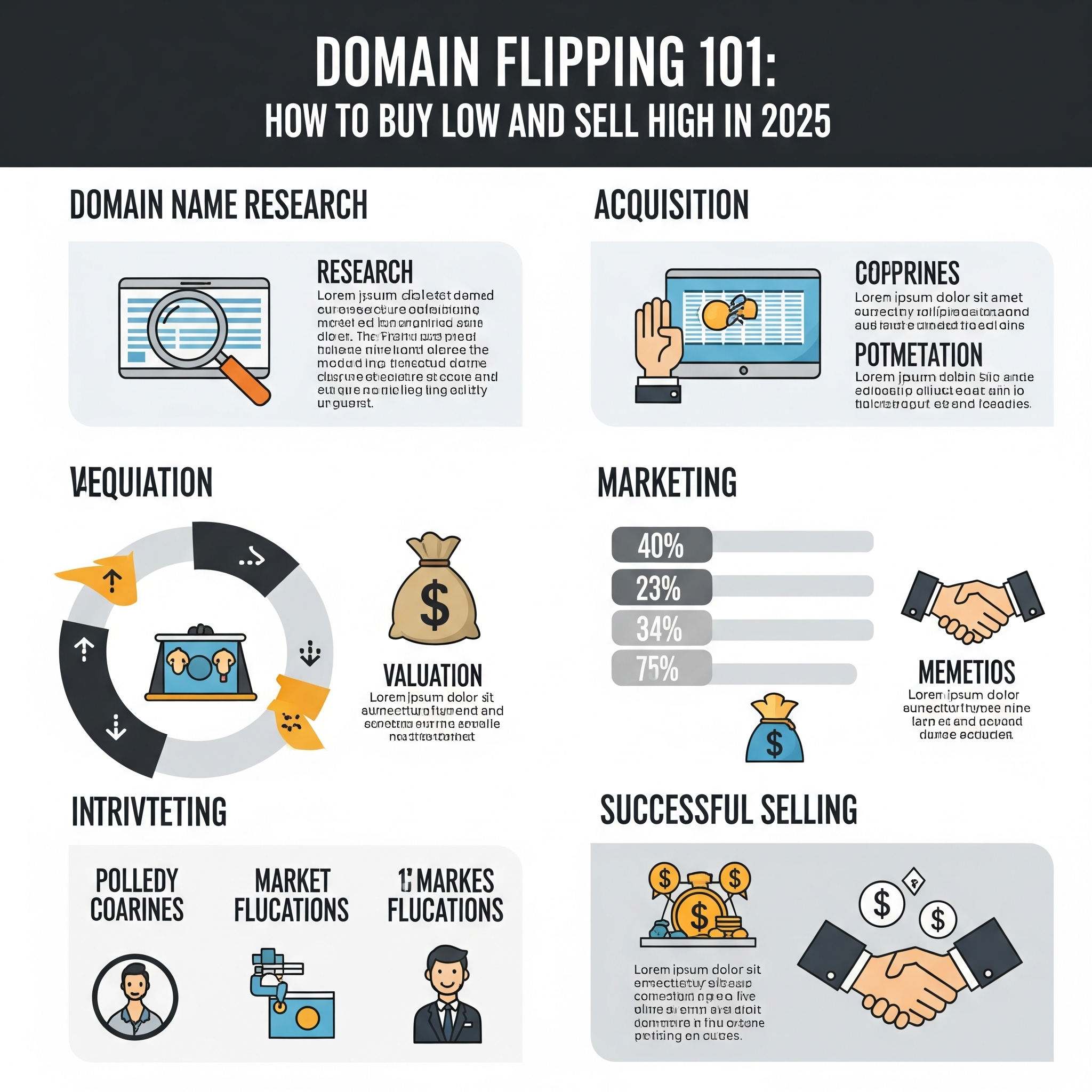
  • Domain Flipping 101: How to Buy Low and Sell High in 2025

    Domain Flipping 101: How to Buy Low and Sell High in 2025

    The digital world runs on domains. Whether it’s a startup launching a brand or a solo creator establishing an online presence, the demand for quality domain names is only growing. And that makes domain flipping — the art of buying domains at a low price and selling them at a profit — a smart, scalable side hustle in 2025.

    Whether you’re new to the game or looking to refine your strategy, this guide will walk you through the fundamentals of domain flipping: how to spot winners, where to buy low, and how to sell high.


    What Is Domain Flipping?

    Domain flipping is like real estate — but digital. You buy a domain name at a low cost (sometimes even for less than $10), then sell it for a profit. The key lies in understanding which domains have value and who might want to buy them later.


    Why Domain Flipping Works in 2025

    The domain industry continues to evolve with business trends, technology shifts, and global startups. Here’s why flipping works especially well today:

    • Scarcity of good .com domains
    • Rising popularity of alt TLDs (.ai, .io, .xyz)
    • Startups need brandable names
    • Creators and influencers want personal domains
    • AI, fintech, and Web3 niches are booming

    Thousands of domains change hands every day — and many sell for hundreds or even thousands of dollars.


    Step 1: Spot a High-Potential Domain

    Here’s what to look for in a flip-worthy domain:

    • ✅ Short and simple (ideally 1–2 words)
    • ✅ Easy to spell, say, and remember
    • ✅ Includes trending keywords (AI, crypto, health, etc.)
    • ✅ Strong .com extension (or relevant TLD like .io or .ai)
    • ✅ Has branding potential

    💡 Examples:


    Step 2: Buy Low — Where to Find Deals

    You can find valuable domains in a few key places:

    🕵️‍♂️ Expired Domains

    Check sites like ExpiredDomains.net to find domains that recently dropped and are available to re-register.

    🛒 Auctions

    Visit GoDaddy Auctions, NameJet, or Dynadot to bid on domains sellers are offloading.

    ✍️ Hand Registration

    Think of a new, clever name that no one’s registered yet and buy it directly (GoDaddy, Namecheap, Porkbun, etc.).

    🌐 Marketplaces

    Sites like Flippa, http://Dan.com , and Sedo offer domains from other investors or business owners.


    Step 3: Avoid Rookie Mistakes

    Not every domain is a winner. Avoid:

    • ❌ Trademarked names (legal risk)
    • ❌ Hard-to-spell or awkward words
    • ❌ Outdated tech trends (like “http://FidgetSpinnerStore.com “)
    • ❌ Numbers and hyphens (unless intentionally brandable)

    Step 4: Evaluate a Domain’s Worth

    Before pricing your domain, do a little research:

    • 🔍 Use GoDaddy Domain Appraisal, Estibot, or NameWorth
    • 📊 Look at similar sales on NameBio.com
    • 💡 Consider keyword value, brandability, and niche demand

    Domains with traffic, backlinks, or a great SEO history can fetch even more.


    Step 5: Sell High — Smart Exit Strategies

    You’ve got the domain — now it’s time to cash in.

    🛍 List on Marketplaces:

    Set a fixed price or accept offers. Include a clear description and note any SEO or branding benefits.

    📢 Promote Your Domains:

    • Share on Twitter/X, LinkedIn, or Reddit (r/Domains)
    • Participate in forums like NamePros
    • Build a landing page that says “This Domain Is For Sale”

    Step 6: Scale Up Over Time

    Once you sell your first domain, reinvest the profit. Build a portfolio of names in specific niches, like AI, real estate, or green tech. Track trends with tools like:

    • Google Trends
    • Exploding Topics
    • Product Hunt

    The more you know, the better domains you’ll spot early.


    Real-World Example

    Let’s say you buy http://FinPilot.ai for $29 in early 2025. Within months, an AI fintech startup reaches out and buys it for $1,500. That’s over a 5,000% return — and it happens more often than you’d think.


    Final Thoughts

    Domain flipping in 2025 is a low-barrier, high-upside opportunity for digital entrepreneurs. Whether you want to make a few hundred dollars on the side or build a full-time business, success comes down to strategy, patience, and staying ahead of trends.

    Start small. Learn fast. And keep flipping.


    Want a checklist to get started?
    👉 Download the Domain Flipping 101 Checklist (PDF)


    Let me know if you’d like a version optimized for SEO, email campaigns, or repurposed as a Twitter thread!

  • The Hidden Goldmine: Why Your Old Domain Could Be Worth Thousands

    The Hidden Goldmine: Why Your Old Domain Could Be Worth Thousands

    Have an old domain name gathering digital dust in your account? Don’t delete it just yet — it could be worth more than you think. With the demand for quality domains surging in 2025, your forgotten web address might actually be a hidden goldmine.

    Here’s why your old domain name could be worth thousands — and how to find out if you’re sitting on a small fortune.


    1. The Domain Market Is Hotter Than Ever

    The digital economy keeps expanding. Startups, creators, influencers, and investors all want premium domains that:

    • Are short and memorable
    • Include relevant keywords
    • Have branding potential
    • Are already registered (because most great names are taken)

    Even if you registered a domain for a side project years ago, someone out there might want that exact name for their next big idea.


    2. Old Domains Often Have SEO Power

    Search engines value domains with history. If your domain has been around for years — even if it’s been inactive — it may still carry:

    • Backlinks from other websites
    • Aged trust signals from Google
    • Traffic from old content or mentions

    This SEO juice can add serious value for marketers and website buyers who want a head start.


    3. Scarcity Creates Value

    Over 350 million domain names are registered, and good ones are getting harder to find. That makes yours — even if it seems average — potentially valuable to someone in need of a specific keyword or brand name.

    Think about it: “FastHomeLoans.com” might sound generic, but for a startup in that niche, it’s gold.


    4. Industry Trends Could Boost Your Domain’s Value

    Domains that seemed irrelevant five years ago may now be perfectly timed. If your old domain includes:

    • AI terms (e.g., bot, neural, chat)
    • Web3 or crypto keywords
    • Health, finance, or remote work terms
    • Geographic names or local keywords

    You could be holding a domain that’s suddenly in demand.


    5. Brandable Names Are In High Demand

    Even made-up or invented words (like “Zappo” or “Fiverr”) can be extremely valuable if they’re easy to say, spell, and remember.

    If your domain sounds catchy and feels like a brand — even if it was random at the time — it might fetch a premium price today.


    6. Real People Are Flipping Domains for Profit

    Here are real examples of domains sold for thousands:

    You don’t need a unicorn name to cash in. Everyday domains sell for $500, $2,000, or more — especially to the right buyer.


    7. How to Check If Your Domain Is Valuable

    To find out if your domain is worth anything, try the following:

    • Use valuation tools:
      • GoDaddy Domain Appraisal
      • Estibot
      • NameWorth
    • Search comparable sales:
    • Ask on forums:
      • NamePros
      • Domain Twitter/X community

    Pro tip: Don’t rely on just one tool — compare multiple opinions before deciding on a price.


    8. What to Do If You Have a Valuable Domain

    If it turns out your domain has value, here’s how to cash in:

    1. List it on marketplaces like http://Dan.com , Afternic, Sedo, or Flippa
    2. Set a realistic price based on comps and demand
    3. Enable “Make Offer” so buyers can negotiate
    4. Promote it on social media or niche groups
    5. Stay patient — good domains often sell in time, not overnight

    Final Thoughts

    That domain you bought years ago for a blog, project, or idea that never took off? It might just be a digital asset waiting to pay off. In today’s market, even “average” names can fetch thousands if they check the right boxes.

    So before you hit delete or let your renewal expire, do a little digging — your old domain could be worth far more than you ever imagined.


    Curious about your domain’s value? Drop the name in the comments or reach out for a quick appraisal suggestion.


    Would you like a downloadable checklist or email version of this blog post? I can prepare that too!

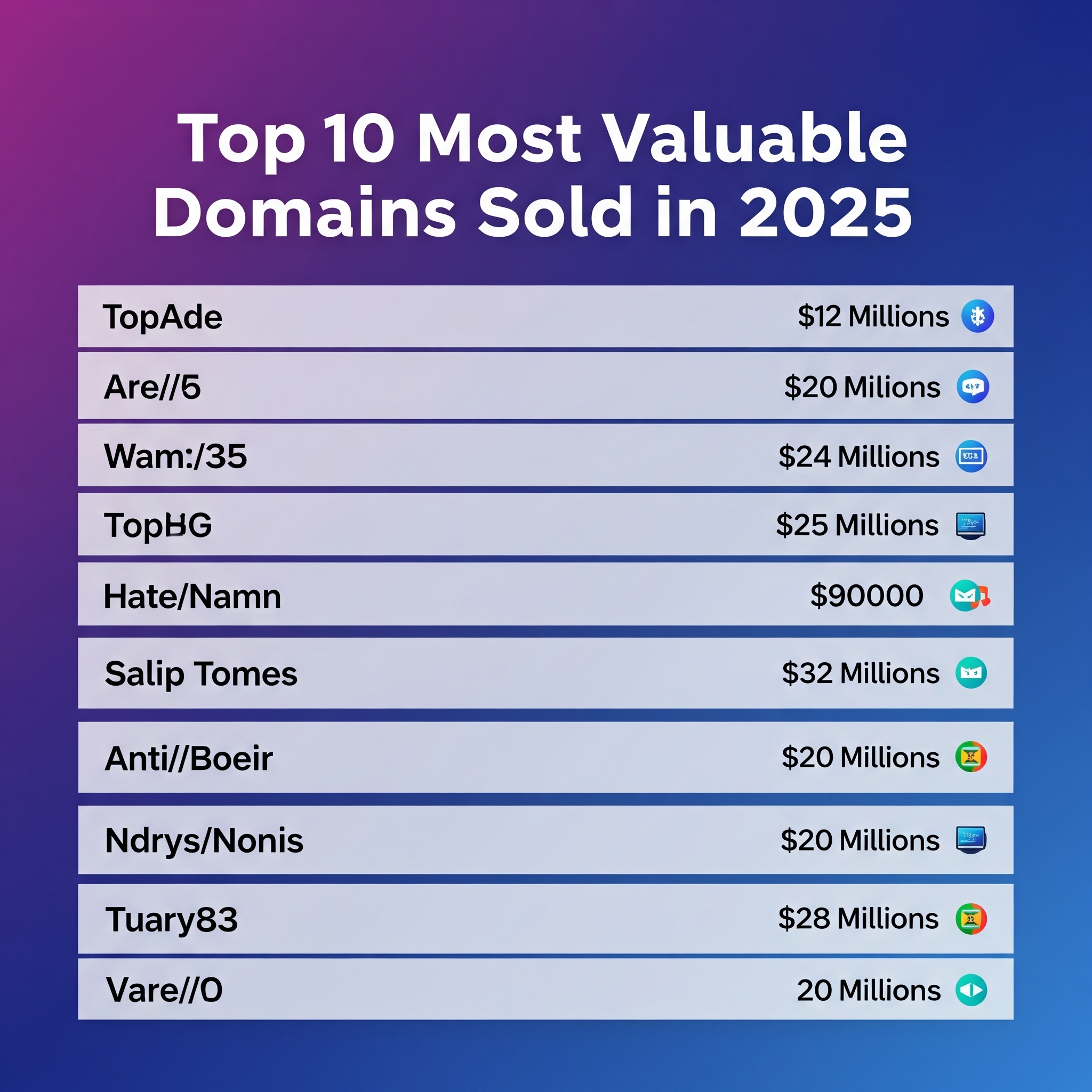
  • Top 10 Most Valuable Domains Sold in 2025 – And What Makes Them Worth Millions

    Top 10 Most Valuable Domains Sold in 2025 – And What Makes Them Worth Millions

    Top 10 Most Valuable Domains Sold in 2025 – And What Makes Them Worth Millions

    The domain name market in 2025 has been nothing short of a digital gold rush, with premium domains fetching jaw-dropping prices at auctions and private sales. These virtual assets, often just a string of letters, have become critical pieces of online real estate, commanding millions due to their branding potential, marketability, and strategic value. Below, we dive into the top 10 most valuable domains sold this year and explore what makes them worth their staggering price tags.

    The Top 10 Most Valuable Domains of 2025

    1. http://AI.com – $25 million
      Leading the pack, http://AI.com was acquired by a consortium of tech giants betting big on artificial intelligence. Its concise, two-letter domain and direct association with the booming AI industry made it a no-brainer for investors.
    2. Crypto.io** – $18 million**
      With cryptocurrency adoption soaring, Crypto.io became a hot commodity. The “.io” extension, popular among tech startups, paired with the keyword “crypto” positioned this domain as a prime asset for blockchain ventures.
    3. http://Health.ai – $15 million
      http://Health.ai was snapped up by a telemedicine startup aiming to dominate the AI-driven healthcare space. Its niche specificity and futuristic appeal drove its value sky-high.
    4. Bet.online – $12.5 million
      Online gambling continues to grow, and Bet.online’s clear, action-oriented name made it irresistible for a major betting platform looking to solidify its digital presence.
    5. Shop.global – $10 million
      A retail conglomerate purchased Shop.global to unify its international e-commerce operations. The “.global” TLD and the universal appeal of “shop” fueled its hefty price.
    6. Cloud.dev – $9.2 million
      Cloud.dev was acquired by a developer-focused SaaS company. The “.dev” extension, synonymous with coding and tech, paired with the cloud computing trend, made this domain a perfect fit.
    7. Money.app – $8.5 million
      Fintech apps are thriving, and Money.app’s short, memorable name was a natural choice for a mobile banking startup aiming to capture a younger demographic.
    8. Travel.world – $7.8 million
      A global travel agency secured Travel.world to anchor its rebranding efforts. The “.world” TLD evokes a sense of adventure, making it ideal for the tourism industry.
    9. Energy.green – $6.9 million
      With sustainability at the forefront, Energy.green was purchased by a renewable energy firm. Its eco-friendly branding and industry relevance justified the price.
    10. Learn.ai** – $6.5 million**
      Rounding out the list, Learn.ai was acquired by an edtech company specializing in AI-powered learning platforms. Its focus on education and innovation made it a valuable asset.

    What Makes These Domains Worth Millions?

    So, why are companies and investors willing to shell out millions for a domain name? Here are the key factors driving these record-breaking sales:

    1. Brandability
      A domain like http://AI.com or Money.app is short, memorable, and instantly conveys what the business is about. These names stick in consumers’ minds, reducing marketing costs and building trust.
    2. Keyword Relevance
      Domains like Crypto.io and http://Health.ai align perfectly with high-growth industries. Owning a domain with a strong, relevant keyword can boost search engine rankings and attract organic traffic.
    3. Top-Level Domain (TLD) Appeal
      While “.com” remains king, newer TLDs like “.ai,” “.io,” and “.app” have gained traction for their modern, industry-specific connotations. For example, “.ai” screams cutting-edge tech, making it ideal for AI startups.
    4. Market Trends
      The domains sold in 2025 reflect the year’s hottest sectors: AI, crypto, fintech, health, and sustainability. Buyers are betting on these industries’ long-term growth, and a premium domain is a strategic investment to dominate their niche.
    5. Scarcity
      Premium domains are finite. There’s only one http://AI.com or Shop.global, and once they’re gone, they’re gone. This scarcity drives competition and inflates prices, especially for one-word or two-letter domains.
    6. Global Reach
      Domains like Travel.world and Shop.global appeal to businesses with international ambitions. A name that resonates across borders can unify a brand’s global identity.
    7. Trust and Credibility
      A clean, professional domain signals legitimacy. Consumers are more likely to trust a site like Bet.online than a longer, less intuitive alternative.

    Why Domains Are the New Gold Rush

    The domain market in 2025 underscores a broader truth: in the digital age, your online identity is everything. A premium domain isn’t just a web address—it’s a marketing tool, a branding cornerstone, and a long-term investment. For startups, it’s a chance to compete with established players. For corporations, it’s a way to cement their dominance.

    As we look ahead, the domain market shows no signs of slowing down. Emerging technologies like Web3, the metaverse, and decentralized platforms could spark demand for entirely new types of domains. For now, the top 10 sales of 2025 remind us that in the world of digital real estate, a great name is worth its weight in gold—or millions.

    What do you think about these domain sales? Have a favorite, or maybe a prediction for 2026’s top domain? Let’s hear your thoughts!